
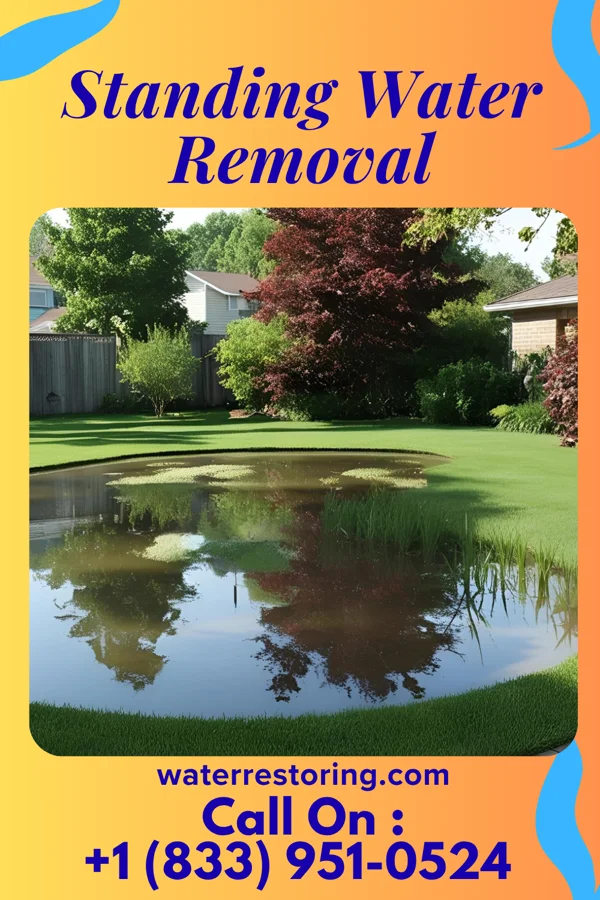
Standing Water Across Hoonah Neighborhoods
Every neighborhood in Hoonah has a different water damage risk profile. The one that shows up on most restoration calls is In Hoonah, Alaska, the primary water damage cause is often due to heavy rainfall and flooding from the Excursion Inlet, which can overwhelm local infrastructure. Additionally, snowmelt in the spring can lead to rapid water accumulation in low-lying areas, causing basement and foundation flooding.. A close second is Secondary causes include leaking roofs from ice dams during winter, plumbing failures in older homes, and storm surges from nearby coastal waters. These issues are exacerbated by the region's remote location and limited access to emergency services..
Hoonah's coastal climate and proximity to the Chilkat River make it particularly vulnerable to sudden water intrusion. The region's frequent storms and high humidity create an environment where water damage can develop quickly and become more severe without immediate intervention.
Water damage in Hoonah follows a few local patterns. In Hoonah, Alaska, the primary water damage cause is often due to heavy rainfall and flooding from the Excursion Inlet, which can overwhelm local infrastructure. Additionally, snowmelt in the spring can lead to rapid water accumulation in low-lying areas, causing basement and foundation flooding. accounts for the bulk of our calls. Hoonah's coastal climate and proximity to the Chilkat River make it particularly vulnerable to sudden water intrusion. The region's frequent storms and high humidity create an environment where water damage can develop quickly and become more severe without immediate intervention. Mold growth in Hoonah can occur rapidly due to the high humidity and cool temperatures, making it critical to address water damage within 48 hours to prevent long-term health and structural issues.
For public guidance on the health effects of mold after prolonged water exposure, see the EPA mold and health page.